Tuesday the 13th of January is a day to remember the life and witness of St Kentigern. Also known as Mungo, his two names are a good introduction to his story.
Kentigern is a princely name. A path he could have chosen to follow as the son of a princess. It might mean something like warrior prince, or chief lord in the Brittonic languages of the old North. He would have had to fight to reclaim this name, as in the stories his mother had refused her royal privilege and duties to serve Christ and was cast out.
His other name, Mungo, could be from the Gaelic ‘dear one’. He is especially known by this name in Glasgow. This is a city famous for renaming things, often to cut them down to size. Investment in Archetectural city improvements quickly become known as the armadillo, or squinty bridge. Dukes are given parking cones as hats.
Under all this though there is a fertile ground in which hospitality, community, and pride in the collective power of people working together takes root. Glasgow smiles better. People make Glasgow.
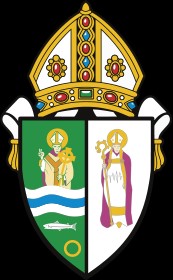
This is where Kentigern planted himself. By the banks of a havering burn he founded his monastic home. Instead of choosing life as the ‘hound’ of one of the many kings, he imitated his mother, known as St Thenew or Enoch, and St Servanus to become a servant of Christ. The fluctuating fortunes of princes and kings continued to influence his life. A collection of churches dedicated to him south of the Solway belong to a time when he escaped those hunting for him. Hoddom near Dumfries is the site of the first monastery he founded, when travelling back North to the “Grey/Green place”.
What can we learn from Mungo today?
His story is legendary, and academics researched books upon books of lore to accompany the stories that children are told. We can use reason to learn.
His life was traumatic, and lived in a time of violence and fluctuating politics. We can connect with the stories emotionally. Perhaps #SensingChallenge in some and #SensingMeaningfulness is others.
Or if activity rather than contemplation is your thing today perhaps making a plan to follow the Kentigern way will help!
Finally, if you would like to listen to some of the stories of Mungo, here are two of them I have recorded :